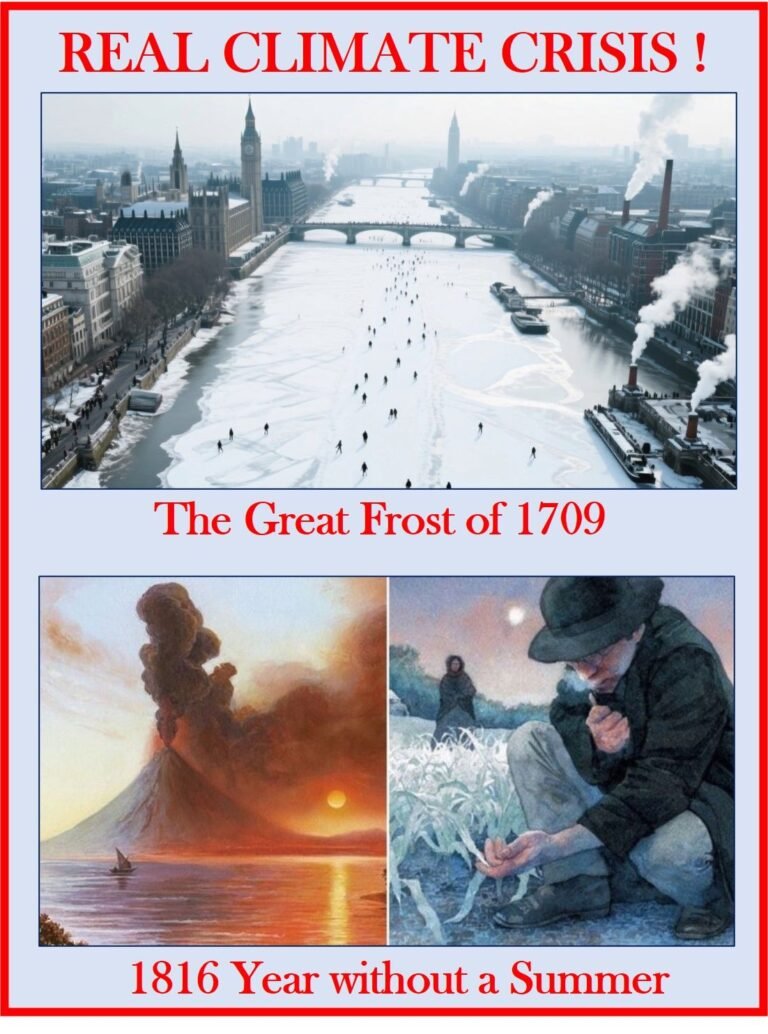
Panic harder, dammit; comments were disabled for me
Panic Harder Dammit !

I was not allowed to comment on this post, comments were disabled for me.

So I reposted this with my own thoughts.

Your mileage may vary.
Especially if you drive a vehicle with a V8 engine 😁
.

Reposted from Climate Change / ESG Professionals Group

WMO Greenhouse Gas Bulletin, United Nations, 2025
Partner, Winai Porntipworawec

Carbon dioxide levels are now higher than at any point in recorded human history. Scientists say the main driver is still the burning of coal, oil, and gas.

This matters because rising CO2 is heating the planet faster, fueling stronger heatwaves, droughts, floods, and wildfires across the world.

According to recent reports from the World Meteorological Organization, NOAA, and the International Energy Agency, atmospheric carbon dioxide concentrations reached record levels in 2024 and continued rising into 2025. Global energy related CO2 emissions hit about 37.8 billion tonnes in 2024, while atmospheric concentrations climbed above 422 parts per million, roughly 50 percent higher than before the Industrial Revolution. Researchers say fossil fuel use remains the biggest source of these emissions.

Carbon dioxide traps heat in Earth’s atmosphere like a blanket. Normally, forests and oceans absorb a large share of this gas, but scientists warn these natural systems are becoming overwhelmed as emissions keep rising. Hotter temperatures and droughts are also weakening the ability of forests to remove carbon from the air.

The effects are already visible worldwide through rising sea levels, damaged ecosystems, food insecurity, and more extreme weather events affecting millions of people.

Scientists say rapid cuts to fossil fuel emissions and a faster shift to clean energy are now critical to slowing future warming.
Source: World Meteorological Organization. 2025. WMO Greenhouse Gas Bulletin. United Nations.

FROM THE THREAD

Comments 94

  1. JONATHAN WOOD

    So the planet is 4.5 billion years old, how many years are we talking about for recorded human history? What figures do you have for the % of CO2 compared to other times? Why doesn't the IPCC include the sun in their calculations? Why did those attending the last COP meeting, when visiting the Amazon Rainforest in Brazil for their look at me moments, not mention that 25% of the Amazon Rainforest has been cut down over the past 50 years?? Do you know that it is steam coming out of the cooling towers not smoke/CO2 in your scaremongering picture?

  2. Paul Martinreplying to JONATHAN WOOD

    the natural climate changes of the past are not relevant to the concerns about the relatively rapid changes over the next few years and what that means for humans.

    Over the very pig time periods it is mostly the changes in the Earth’s orbit that causes very gradual changes in the climate, of the order of 0.01C per 100 years while human activity without change would cause about 3.5C warming from 2000 to 2100.

    Understanding this difference is neccessary to understand the issue of why action is needed in climate change caused by human emissions of greenhouse gases.

    The new Brazil President has promised no net loss of the Amazon by 2030. It is a difficult problem to solve that the government of Brazil, let alone the COP attendees struggle to stop. There is a lot of illegal activity that. Causes loss of rainforest and enforcement isn’t as easy as some might like think.

    There is actually about 5% greening of the planet over the last couple of years, because of better land management, much of it in India and China, but that isn’t sufficient to prevent the issues caused by human GHG emissions.

    There is a difference between cooling towers and CO2 emissions. The CO2 can’t be seen in the visible spectrum.

  3. Graham F French

    Show me the evidence of rising sea levels.

    I’ll wait…

  4. Marcel Arias

    Their narrative is going up in smoke! 😂

  5. Pat Wogoman

    That's not even close to true.

Leave a comment

Your email address will not be published. Comments are checked before they appear.

Keep reading

Enjoyed that?
Get the next one.

New posts on energy, projects and Weekend Science — straight to your inbox, without the algorithm.