Clean electrification of everything is a rainbow pipe dream
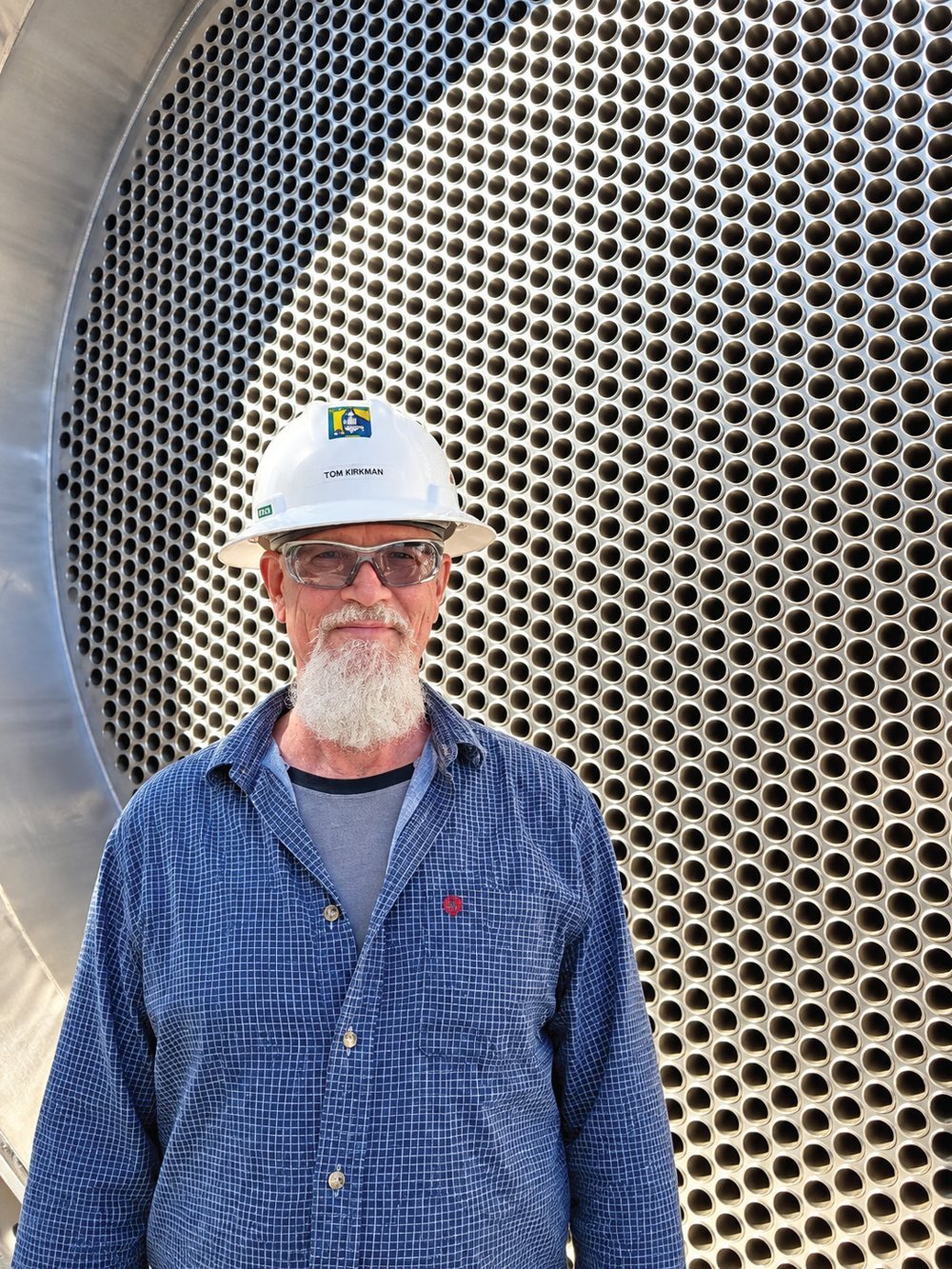 Tom KirkmanIndependent Project Manager

The “clean electrification” of everything in the U.S. is not possible.
It is a rainbow pipe dream, being force fed by federal government zealots onto a gullible populace who mostly seem to believe the climate panic armageddon Chicken Little bullpoop.
Doubling the U.S. electrical grid is a task that is currently not possible, for reasons such as:
– supply chain constraints,
– materials constraints (copper for example),
– electrical transformers constraints,
– cost (with inflation already out of control),
– insufficient experienced manpower to massively out build the electrical grid infrastucture,
– land constraints,
– government permitting constraints,
… the list goes on.
Even this article, which *totally* buys into the climate scaremongering, admits there are “major hurdles” to overcome in the impossible quest to convert from hydrocarbons and nuclear to a “clean electrification” of everything.
Side note, the phrase “clean electrification” is my own wry term for this hopeless and exceedingly expensive agenda.
Yes, the U.S. electrical grid is already strained and bursting at the seams.
Yes, the U.S. electrical grid needs to be upgraded and modernized.
But *doubling* the grid is simply not possible at the present time.
=======================
“In order to keep up with the expansion of renewable energy production capacity, the United States will have to more than double the current size of the electric grid.
… Meeting global climate goals requires a rapid and massive expansion of renewable energy production capacity.
< < < caution: panic trigger warning > > >
< < < everybody PANIC HARDER ! > > >
● The urgency of this imperative is difficult to overstate; indeed, the United Nations has announced a code red for humanity.
Building sufficient wind and solar farms to power the clean energy transition will require overcoming three major hurdles:
– finding enough land at an affordable price,
– building up the power grid to support the influx of electricity, and
– fixing the archaic and inefficient permitting process that governs these processes.
… The grid doesn’t just need to be expanded, it also needs to be improved.
The United States power grid is an aging and fractured system that will require major updates to bring it into the modern era and to prepare it for a massive influx of variable energy that it wasn’t designed to handle.
… It’s great that wind and solar capacity are being added at a record-breaking rate, but it’s all a waste if, once completed, there’s no permit allowing them to plug into the grid – or if there’s no grid at all.”


